DharmaPath
Festival calendar
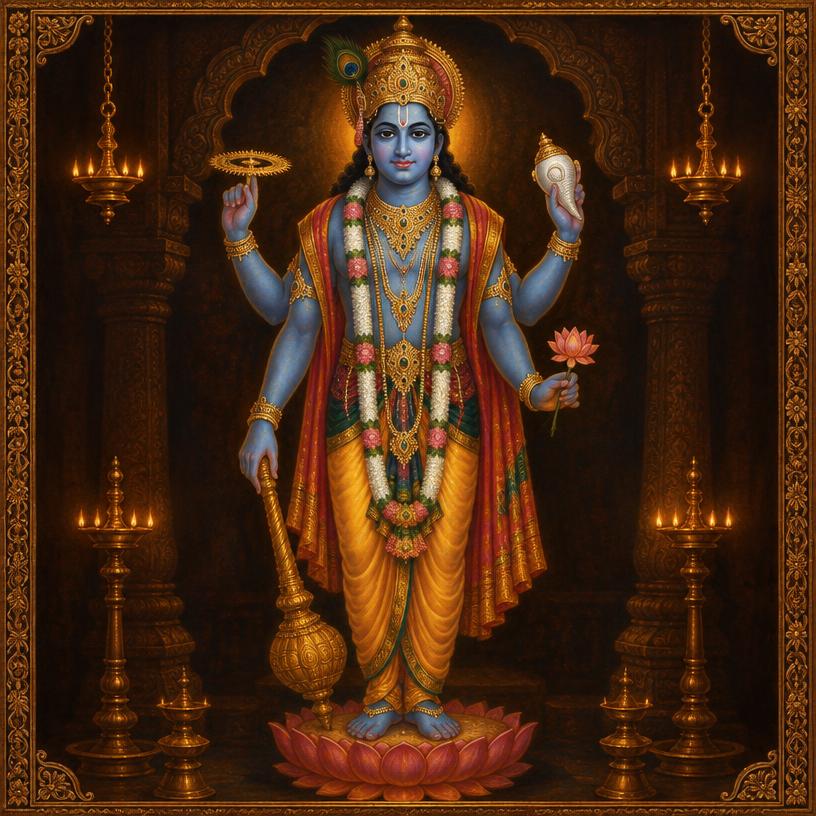
Pitru Paksha (Shraddha Paksha) devotional artwork

पितृ पक्ष · श्राद्ध पक्ष

Pitru Paksha (Shraddha Paksha)

A fortnight set aside for the ancestors — not a festival but a debt being paid, with water, sesame and a cooked meal offered on the tithi on which each person died.

Date (2026)

26 September – 10 October 2026

Tithi

Bhadrapada Purnima to Ashvina Amavasya (sixteen tithis)

Month

Bhadrapada–Ashvina

Deity

Pitrs, Yama, Vishnu

Katha — the story behind it

01

The sacred story

A popular Pitru Paksha katha, associated with Karna in later retellings, begins after the generous warrior’s death. In the next world, he receives gold and jewels but finds no food to satisfy his hunger. When he asks why, he learns that his celebrated gifts of wealth did not include food and water offered in remembrance of his ancestors. In some versions, Karna explains that he had not known his true ancestry. He is then allowed to return to earth for a fortnight, during which he makes the missing offerings. Popular tradition connects this period with Pitru Paksha; the story should not be confidently attributed to the Mahabharata without a verified passage. The katha gives a memorable setting for श्राद्ध, तर्पण, and offerings of food, including पिंड in many observances. Feeding guests, supporting people in need, and remembering departed relatives can also form part of family practice. Texts such as the Garuda Purana and Vayu Purana discuss ancestral rites, but explanations of their effects and procedures differ across traditions. The central lesson is gratitude: generosity includes remembering those from whom life was received. Families express that responsibility through remembrance, care, and sharing, with regional customs guiding the details.

02

Meaning within the story

A fortnight set aside for the ancestors — not a festival but a debt being paid, with water, sesame and a cooked meal offered on the tithi on which each person died. Hindu tradition speaks of three debts, and pitru rina — the debt to those who came before — is one of them. Pitru Paksha places that debt on the calendar so it is not left to feeling. It falls just before Navaratri: the ancestors are settled first, then the year turns to the Goddess. Auspicious beginnings — weddings, house entry, new purchases — are avoided in this fortnight, not because it is inauspicious in itself, but because attention belongs elsewhere.

03

How the story becomes worship

Sankalpa and the tithi: The rite is addressed to a named person, not to ancestors in general. Naming the tithi and the gotra keeps it an act of memory rather than a ritual performed at random. Tarpana — the water offering: South is the direction of Yama. Sesame and cool water are the simplest things a household always has; the tradition deliberately asks for something everyone can give. Pinda dana: The pinda is a formed body of food — the texts describe it as building a subtle body for the passage. Practically, it fixes the abstract idea of remembrance into a made, given object. Brahmana bhojana and panchabali: The offering only completes when a living being eats. The crow in particular is treated as the messenger of the pitrs, and the five portions widen the debt from family to every dependent creature. Daan and the closing: Giving in someone else's name is the fortnight's whole method — the merit is directed away from the giver, which is what distinguishes shraddha from ordinary charity.

Where it comes from

Mahabharata, Anushasana Parva (Karna and the shraddha)Garuda Purana, PretakhandaVayu Purana, shraddha kalpaManusmriti 3 (shraddha vidhi)

Puja samagri — what to gather

  • ·Kusha grass, black sesame (til) and barley for the tarpana water
  • ·A copper or kansa vessel and a plate kept only for shraddha
  • ·Rice kheer, rice balls (pinda) of cooked rice, ghee, honey and milk
  • ·Cooked satvik meal without onion, garlic or salt in the pinda portion
  • ·Tulsi leaves, white flowers, a ghee lamp and a plain white cloth
  • ·A portion set aside for a cow, a crow, a dog, an ant and a guest (panchabali)

Vrat — the fast

The person performing shraddha usually takes one satvik meal a day, without onion, garlic, masoor dal or non-vegetarian food, and eats only after the offering and the feeding of guests are finished. Many households keep the whole fortnight free of meat, alcohol and celebration. Those unable to fast may keep the dietary restraint alone.

Aarti & shloka — read, understand, listen

Aarti · common version

Om Jai Jagdish Hare

ॐ जय जगदीश हरे, स्वामी जय जगदीश हरे। भक्त जनों के संकट, क्षण में दूर करे॥ जो ध्यावे फल पावे, दुःख बिनसे मन का। सुख सम्पत्ति घर आवे, कष्ट मिटे तन का॥ मात पिता तुम मेरे, शरण गहूँ मैं किसकी। तुम बिन और न दूजा, आस करूँ मैं जिसकी॥ तुम पूरण परमात्मा, तुम अन्तर्यामी। पारब्रह्म परमेश्वर, तुम सबके स्वामी॥

Roman transliteration

Om jai Jagadish Hare, swami jai Jagadish Hare. Bhakta janon ke sankata, kshana mein dura kare.

Complete aarti meaning

Glory to the Lord of the universe, who removes devotees' distress. Those who meditate upon you receive the fruit of devotion and find sorrow eased. You are mother and father, the refuge beyond every other support, the complete indwelling Self and sovereign of all.

Sung with temple-style devotional accompaniment

Shloka · with meaning

Vishnu mantra

ॐ नमो भगवते वासुदेवाय

Om Namo Bhagavate Vāsudevāya.

Meaning

Salutations to Bhagavan Vasudeva, the indwelling divine present in all beings.

Om Jai Jagdish Hare is used widely across Vaishnava and general household worship; Holi traditions may instead sing Krishna-specific aarti and phag.

Next in the year

Sharad Navaratri & Dussehra

11–20 October 2026

Continue

From the day to the doing

Want to perform this puja properly, at home or at a temple?

Puja mode walks the full sequence — simple or detailed — with the meaning of every act.

Open puja mode